

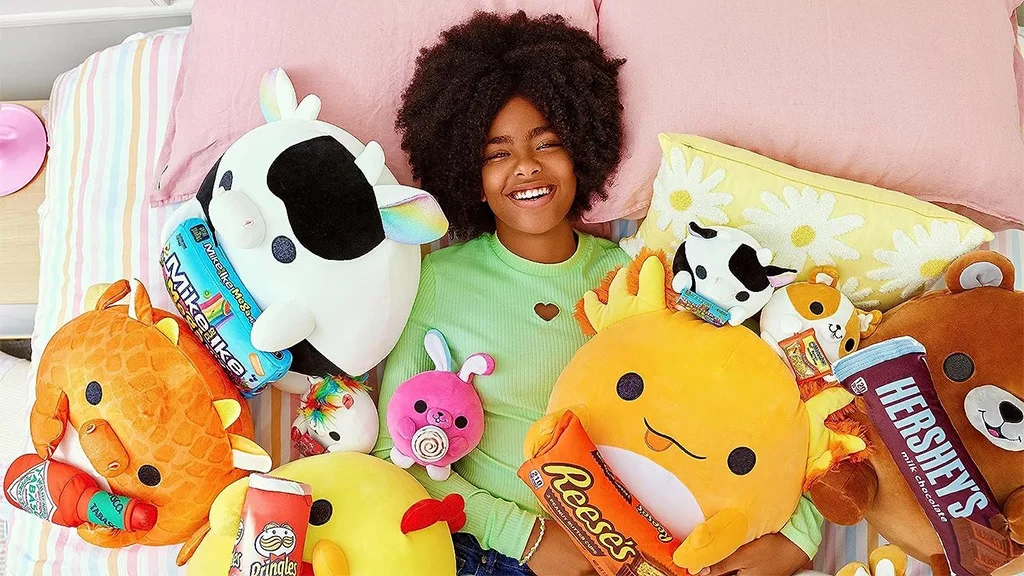
In today’s fast-paced world, staying updated with what is trending has become more than just a casual interest—it is a cultural necessity. The phrase “Trending Now” has evolved into a digital-age symbol, capturing the essence of what people are talking about, sharing, and engaging with at any given moment. From fashion to technology, music to social media, and entertainment to lifestyle, the concept of trending is a reflection of our society’s dynamic nature and instantaneous connectivity.
The Digital Age and the Rise of Trends

The rise of the internet and social media platforms has revolutionized the way trends emerge and spread. Unlike in previous decades, where trends took weeks or even months to gain traction, today’s trends can appear overnight. Social media platforms act as catalysts for this phenomenon, amplifying voices and ideas at lightning speed. When a post, video, or idea resonates with the masses, it can quickly become a “Trending Now” topic, capturing global attention within hours.
This immediacy has created a unique cultural landscape where content is constantly evolving. Trends no longer belong to a specific region or demographic; they transcend borders and reach audiences worldwide. As a result, the phrase “Trending Now” has become synonymous with relevance and cultural significance, providing a snapshot of society’s current interests and preoccupations.
Social Media: The Epicenter of Trends

Social media is arguably the most influential force behind trends today. Platforms like Instagram, TikTok, and Twitter have become the breeding ground for viral content, where a single video, meme, or challenge can dominate global conversations. These platforms have democratized trend-setting, allowing anyone with creativity and engagement to influence millions.
For instance, short-form video content has become a powerful medium for trends. Viral dances, challenges, and memes often originate from ordinary users but quickly capture widespread attention. Influencers and celebrities further accelerate these trends by participating, reacting, or creating related content, which often multiplies the reach exponentially.
Moreover, algorithms play a critical role in identifying and promoting content that has the potential to trend. By analyzing user behavior, preferences, and engagement metrics, these platforms ensure that trending topics are continuously refreshed, keeping audiences engaged with the latest cultural phenomena.
Entertainment Trends
The entertainment industry is another domain where the “Trending Now” concept thrives. Movies, music, television shows, and celebrity news often dominate conversations both online and offline. Streaming platforms have transformed how people consume entertainment, making it easier for new releases to trend almost instantly.
Music trends, in particular, are heavily influenced by social media. A catchy song can go viral within days due to user-generated content, dance challenges, or lip-sync videos. Similarly, film and television trends are often driven by fan communities that discuss, analyze, and share content relentlessly, creating a buzz that propels topics into the trending spotlight.
Fashion and Lifestyle Trends
Fashion is inherently tied to the concept of being “trendy.” Trends in clothing, accessories, and lifestyle choices often reflect societal values, aspirations, and creative expression. Social media platforms, fashion blogs, and online communities contribute to the rapid dissemination of trends, influencing consumer behavior worldwide.
Lifestyle trends, from fitness routines to wellness practices, also exemplify the power of being “trending now.” People are constantly seeking ways to improve their lives, and trends provide inspiration and guidance. Whether it is a new diet, a mindfulness practice, or a travel destination, trending lifestyle topics shape modern living in tangible ways.
Technology and Innovation Trends
Technology is another sector where trends emerge rapidly and have significant impact. From smartphones to smart homes, wearable devices to artificial intelligence, staying updated with the latest technological advancements has become essential for both consumers and professionals.
Tech trends are often fueled by product launches, breakthroughs, and innovations. They reflect not only what is currently popular but also what could shape the future. Being aware of trending technologies can influence investment decisions, career choices, and everyday lifestyle, underscoring the broader cultural significance of being in tune with the “trending now” landscape.
The Psychology Behind Trends
Humans are naturally drawn to trends due to psychological and social factors. Following trends provides a sense of belonging, social validation, and identity expression. When something is trending, it often carries a cultural stamp of relevance, prompting people to engage, participate, or emulate.
The fear of missing out, commonly referred to as FOMO, also plays a role in the popularity of trends. People often want to stay informed and be part of ongoing conversations, which drives engagement and further amplifies trending topics. In this way, trends are both a reflection of and a driver for social behavior.
The Global Impact of Trending Topics
Trending topics often transcend local or national boundaries, creating global phenomena. Social issues, environmental campaigns, or humanitarian causes can become trending topics, capturing the attention of millions worldwide. These trends can spark movements, drive change, and influence public opinion on a massive scale.
For example, campaigns addressing climate change, equality, or mental health awareness have reached trending status multiple times, demonstrating how collective attention can shape societal priorities. In this context, the phrase “Trending Now” is not just about entertainment or fashion—it can signify global consciousness and social responsibility.
Challenges and Criticisms
While trends provide excitement and cultural relevance, they also present challenges. The rapid spread of misinformation, the fleeting nature of attention, and the pressure to conform are notable downsides. Trends can sometimes prioritize virality over substance, leading to a superficial engagement with important issues.
Additionally, the obsession with being trendy can create unrealistic expectations, particularly in fashion, beauty, and lifestyle sectors. Constant exposure to curated content can influence self-esteem, consumption habits, and mental health. Awareness and critical thinking are essential for navigating the fast-moving world of trends responsibly.
Conclusion: Embracing Trends Wisely
The concept of “Trending Now” is a powerful reflection of contemporary culture. It captures the pulse of society, highlighting what matters, excites, or intrigues people at any given moment. From entertainment to technology, fashion to social activism, trends shape the way we perceive, interact with, and influence the world.
However, it is crucial to approach trends thoughtfully. While staying updated is valuable, critical engagement ensures that trends serve as inspiration rather than pressure. Embracing trends wisely allows individuals to participate meaningfully in cultural conversations while maintaining authenticity and balance in an ever-changing digital world.
In essence, “Trending Now” is more than just a headline—it is a window into society’s collective consciousness, a dynamic reflection of creativity, curiosity, and connectivity in the modern era. Understanding and engaging with trends can enrich personal experiences, broaden perspectives, and provide a deeper appreciation of the ever-evolving cultural landscape.
