

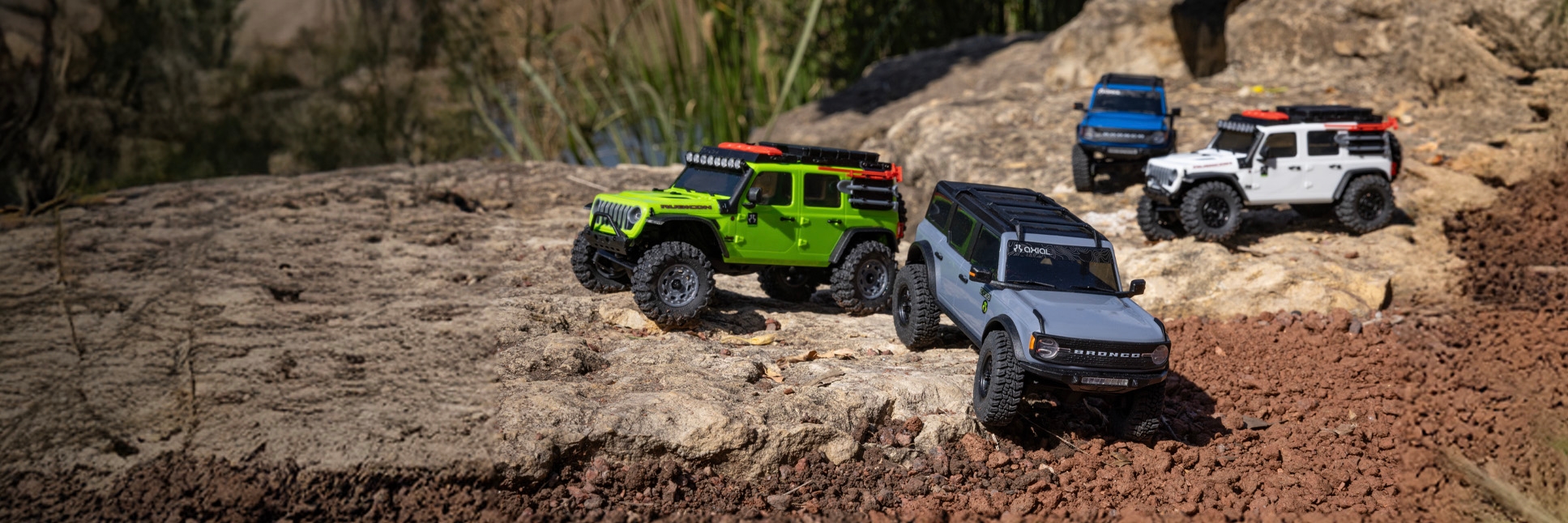
Remote control vehicles have captured the imagination of people across all age groups for decades. From simple toy cars to highly advanced machines used in professional industries, remote control vehicles represent a perfect blend of technology, entertainment, and innovation. These vehicles are operated wirelessly by a controller, allowing users to maneuver them from a distance with precision and control. Over time, they have evolved significantly, becoming more powerful, realistic, and versatile.
Remote control vehicles are not limited to just toys anymore. They are now widely used in education, military operations, rescue missions, scientific research, and competitive sports. This wide range of applications makes remote control vehicles an important part of modern technological development.
History of Remote Control Vehicles
The concept of remote-controlled machines dates back to the early 20th century. Initially, these vehicles were created for military and experimental purposes. Engineers explored wireless control systems to guide boats, tanks, and aircraft without risking human lives. Over time, this technology slowly entered the consumer market in the form of basic toy vehicles.
In the mid-to-late 20th century, remote control vehicles became popular as entertainment products. Early models were simple, often using wired controls or limited radio frequencies. As electronic components improved, wireless radio control systems became more reliable, allowing better range and responsiveness.
Today, remote control vehicles are powered by advanced electronics, rechargeable batteries, digital transmitters, and even smartphone-based control systems. The evolution from simple toys to sophisticated machines highlights the rapid growth of this technology.
Types of Remote Control Vehicles
Remote control vehicles come in many different forms, each designed for specific environments and purposes. The most common types include land, air, and water vehicles.
Remote Control Cars and Trucks
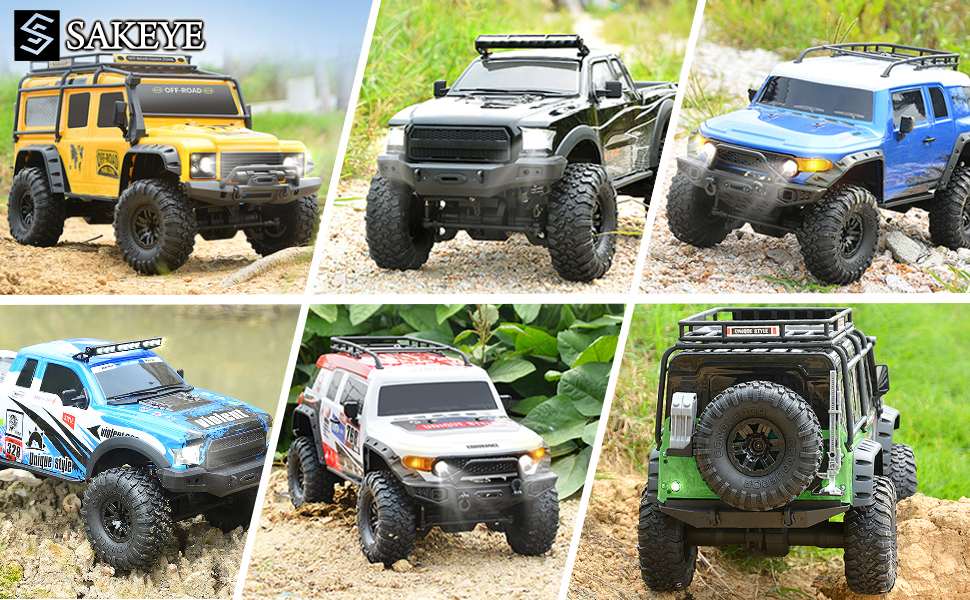
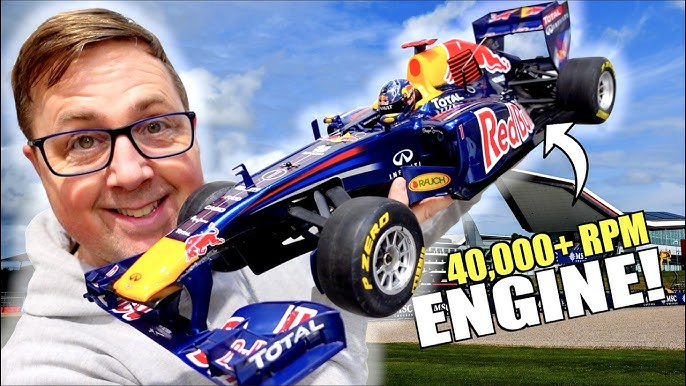
Remote control cars are among the most popular types. They range from small indoor models to large outdoor vehicles capable of traveling at high speeds over rough terrain. Some are designed for racing, while others are built for off-road adventures. Trucks, buggies, and rock crawlers fall into this category, offering different suspension systems and power levels.
Remote Control Drones and Aircraft
Remote control aircraft include airplanes, helicopters, and drones. These vehicles rely on precise controls and advanced stabilization systems. Drones, in particular, have gained massive popularity due to their ability to capture aerial footage, deliver items, and assist in surveying and inspection tasks.
Remote Control Boats and Submarines
Water-based remote control vehicles include speedboats, sailboats, and submarines. These vehicles are often used for recreation, racing, and research. Remote control submarines are especially useful for underwater exploration and inspection where human access is limited.
Specialized Remote Control Vehicles
Some remote control vehicles are designed for professional use, such as military robots, bomb disposal units, and search-and-rescue vehicles. These machines are built with durability, cameras, sensors, and advanced communication systems.
Technology Behind Remote Control Vehicles
The operation of remote control vehicles depends on several key technological components. At the core is the transmitter and receiver system. The transmitter sends signals from the controller, while the receiver inside the vehicle interprets these signals to control movement.
Modern remote control vehicles use radio frequency technology, allowing long-range control with minimal interference. Many advanced models use digital signals, which provide better accuracy and reduced signal loss.
Electric motors, servo mechanisms, and speed controllers play a vital role in movement and steering. Batteries have also improved significantly, with lithium-based batteries offering longer run times and faster charging. Sensors, cameras, and GPS systems are now common in high-end models, enabling features like autonomous navigation and obstacle detection.
Remote Control Vehicles as a Hobby
For many people, remote control vehicles are more than just toys; they are a serious hobby. Enthusiasts invest time and money into building, customizing, and upgrading their vehicles. This hobby encourages creativity, problem-solving, and technical skills.
Many hobbyists enjoy assembling remote control vehicles from kits, learning about electronics, mechanics, and aerodynamics in the process. Racing events and competitions provide opportunities for social interaction and skill development. These activities promote teamwork, patience, and strategic thinking.
The hobby also appeals to different age groups. Children develop coordination and basic technical understanding, while adults enjoy the challenge and stress relief that comes with operating and maintaining these vehicles.
Educational Benefits
Remote control vehicles play an important role in education, especially in science, technology, engineering, and mathematics learning. Schools and educational institutions use them to teach students about physics, electronics, programming, and robotics.
By working with remote control vehicles, students gain hands-on experience that helps them understand theoretical concepts more easily. They learn how motors work, how signals are transmitted, and how mechanical parts interact. Some advanced educational programs even involve coding remote control vehicles to perform specific tasks.
This practical learning approach helps develop critical thinking, creativity, and technical confidence, preparing students for future careers in technology-related fields.
Industrial and Professional Applications
Beyond entertainment and education, remote control vehicles are widely used in professional industries. In the military, they are used for surveillance, reconnaissance, and bomb disposal. These vehicles reduce risk to human life by handling dangerous tasks remotely.
In construction and mining, remote control vehicles operate in hazardous environments where human presence would be unsafe. They are also used in agriculture for monitoring crops and spraying fields efficiently.
Emergency services rely on remote control vehicles for search and rescue operations during natural disasters. These vehicles can access areas that are difficult or dangerous for humans, providing valuable information through cameras and sensors.
Environmental Impact and Sustainability
Modern remote control vehicles are increasingly designed with sustainability in mind. Electric-powered vehicles produce no direct emissions and are more environmentally friendly than fuel-powered alternatives. Rechargeable batteries reduce waste and operating costs.
In environmental research, remote control vehicles help monitor wildlife, forests, and oceans without disturbing natural ecosystems. They allow scientists to collect data safely and efficiently, contributing to conservation efforts.
As technology advances, manufacturers are focusing on energy efficiency, recyclable materials, and longer-lasting components, making remote control vehicles more sustainable.
Challenges and Limitations
Despite their many advantages, remote control vehicles also face certain challenges. Signal interference can affect performance, especially in crowded or urban areas. Battery life remains a limitation, particularly for high-speed or heavy vehicles.
Maintenance and repair can be costly, especially for advanced models. Beginners may find complex controls and technical components difficult to manage. Safety is another concern, as improper use can lead to accidents or damage.
However, continuous innovation is addressing these challenges by improving battery technology, signal stability, and user-friendly designs.
Future of Remote Control Vehicles
The future of remote control vehicles looks promising. Advancements in artificial intelligence, automation, and connectivity are transforming these machines into smarter and more capable systems. Autonomous features are becoming more common, allowing vehicles to navigate with minimal human input.
Integration with smart devices and virtual reality is enhancing user experience. Improved materials and manufacturing techniques are making vehicles stronger, lighter, and more efficient.
As technology continues to evolve, remote control vehicles will play an even greater role in entertainment, education, and industry, shaping the way humans interact with machines.
Conclusion
Remote control vehicles represent a fascinating combination of fun, learning, and technological advancement. What started as simple toys has evolved into a powerful tool used across many fields. From racing tracks to disaster zones, these vehicles demonstrate the potential of remote operation and wireless control.
Their impact on education, industry, and innovation continues to grow, making them an important part of modern society. With ongoing improvements and expanding applications, remote control vehicles will remain a key example of how technology can enhance both everyday life and professional capabilities.
