

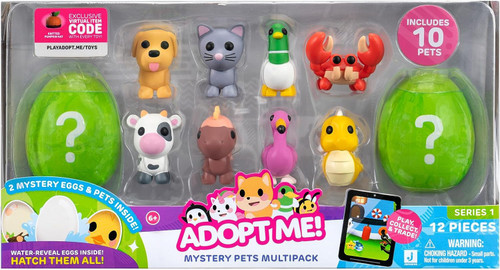
Collectibles are more than just objects; they are fragments of history, culture, and personal memory. From rare coins to vintage toys, stamps to comic books, collectibles captivate enthusiasts across the globe. They carry stories, evoke nostalgia, and sometimes even serve as investments. The world of collectibles is vast and varied, offering something for nearly every interest and passion. In this article, we will explore the history of collectibles, the types that exist, their cultural significance, and the reasons people dedicate time and resources to amassing these treasured items.
The History of Collecting

The act of collecting is almost as old as civilization itself. Ancient societies collected objects for both practical and symbolic reasons. Egyptians gathered jewelry and amulets for religious purposes, while early humans collected tools and artifacts that held personal or community value. Over time, collecting evolved into a pastime and, eventually, a hobby that could define social status. In the Renaissance period, European nobility curated “cabinets of curiosities” filled with exotic items, natural specimens, and artworks, displaying their wealth, knowledge, and taste. These cabinets were the precursors to modern museums, and they demonstrate that collecting has always been intertwined with education, prestige, and personal passion.
Why People Collect
People collect for a variety of reasons, often combining emotional, aesthetic, and intellectual motivations. Some collect to preserve memories or relive childhood experiences, such as keeping old toys, sports cards, or books. Others are driven by the thrill of hunting for rare or limited-edition items, enjoying the challenge of completing a set. Collecting can also be an investment, as certain collectibles increase in value over time. Beyond these reasons, collecting often creates a sense of identity and belonging. Enthusiasts join communities, attend conventions, and share their passions with like-minded individuals, forming social networks built around shared interests.
Popular Types of Collectibles
Coins and Currency
Numismatics, or coin collecting, is one of the oldest and most respected forms of collecting. Coins offer insight into a country’s history, culture, and economy. Collectors often seek rare coins, limited mints, or pieces from historical periods. Paper currency, including banknotes, is also collected, particularly those with unique designs or historical significance.
Stamps
Stamp collecting, or philately, began in the 19th century and quickly became a global phenomenon. Stamps are miniature works of art that reflect history, politics, and culture. Collectors may focus on stamps from a specific era, country, or theme, such as animals, famous personalities, or significant events. The hobby encourages careful observation, research, and organization, making it both educational and rewarding.
Toys and Action Figures
Vintage toys and action figures are highly sought after by collectors. Items like early Barbie dolls, LEGO sets, and superhero action figures can fetch high prices in the market. These collectibles often carry sentimental value, reminding adults of their childhood while allowing them to relive memories through play. The scarcity and condition of these items often determine their value, making collecting a delicate and meticulous endeavor.
Comic Books
Comic books combine storytelling, art, and popular culture, making them cherished collectibles. Rare issues, first editions, or comics with original artwork are highly prized. Collecting comics often involves maintaining the items in pristine condition, sometimes encasing them in protective materials to preserve their quality. This hobby bridges literature, art, and nostalgia, offering both entertainment and potential investment opportunities.
Art and Antiques
Art collecting is one of the most prestigious forms of collecting. Paintings, sculptures, and antiques reflect cultural heritage, artistic innovation, and historical significance. Collectors often invest substantial time and resources in acquiring pieces, attending auctions, and studying the provenance of items. Art not only provides aesthetic pleasure but can also serve as a tangible record of history, society, and human creativity.
Memorabilia
Memorabilia refers to items connected to famous people, events, or popular culture. Examples include autographs, sports jerseys, movie props, and concert merchandise. These items allow collectors to feel a personal connection to the figures or events they admire. The sentimental value of memorabilia often surpasses its monetary worth, making it a cherished part of many collections.
The Psychology of Collecting
Collecting is deeply rooted in human psychology. It provides a sense of control, accomplishment, and purpose. Completing a set or finding a rare item triggers feelings of satisfaction and joy, which can be incredibly rewarding. Moreover, collectibles often serve as tangible representations of memories, experiences, or personal milestones. They help individuals preserve the past and maintain a connection to moments that hold emotional significance.
The social aspect of collecting is also crucial. Communities of collectors provide support, information, and validation. Trading, sharing, and displaying collections foster a sense of belonging and reinforce the collector’s identity. In essence, collecting is not just about the items themselves but the experiences, knowledge, and relationships built around them.
Caring for Collectibles
Proper care is essential to preserve the value and condition of collectibles. Different types of items require specific maintenance. For instance, coins and stamps must be stored in protective sleeves to prevent damage from moisture or handling. Action figures and toys should be kept away from sunlight and dust to maintain their colors and integrity. Art and antiques may need climate-controlled environments to prevent deterioration. Collectors often invest in specialized storage, display cases, and conservation techniques to ensure their items remain in optimal condition over time.
The Market for Collectibles
The market for collectibles is vast and dynamic. Certain items appreciate in value significantly, turning hobbies into lucrative investments. Rare coins, vintage toys, first-edition books, and classic comics can command high prices at auctions or private sales. Factors influencing value include rarity, condition, historical significance, and demand. Collecting can also involve speculation, where enthusiasts predict which items will increase in value over time. While some pursue collectibles purely for enjoyment, others approach it with a strategic investment mindset.
Challenges in Collecting
Collecting is not without its challenges. Scarcity of items can lead to intense competition, while maintaining the condition of collectibles requires careful attention and sometimes significant financial investment. Counterfeit items or forgeries pose another risk, particularly in high-value markets like art, coins, or rare memorabilia. Knowledge and vigilance are crucial to navigate these challenges successfully. Despite these obstacles, dedicated collectors often find the pursuit deeply rewarding, valuing passion over profit.
Collecting in the Digital Age
The digital era has transformed the world of collectibles. Online marketplaces, forums, and social media allow enthusiasts to connect, trade, and showcase their collections globally. Digital collectibles, such as NFTs (non-fungible tokens), have introduced a new dimension to the hobby, blending technology, art, and ownership in innovative ways. While traditional collectibles remain popular, digital forms are expanding the concept, offering new opportunities and challenges for collectors.
Cultural Significance
Collectibles are more than personal treasures; they carry cultural and historical significance. Museums, exhibitions, and galleries often feature items that were once private collectibles, highlighting their educational and societal value. Collectibles preserve stories, traditions, and artistic achievements, making them essential for understanding human history. Whether through coins, stamps, toys, or art, these items connect generations, offering insight into past societies, values, and innovations.
Conclusion
Collectibles embody the intersection of passion, history, and personal identity. They are treasured for their beauty, rarity, and the stories they tell. From coins and stamps to toys, comics, art, and memorabilia, the world of collectibles is rich and diverse, offering endless opportunities for exploration and enjoyment. Collecting provides not only the joy of discovery but also a sense of connection to history, culture, and community. Whether pursued as a hobby, a form of investment, or a way to preserve memories, collectibles continue to captivate and inspire people around the world, proving that objects, no matter how small, can hold immense meaning.
