

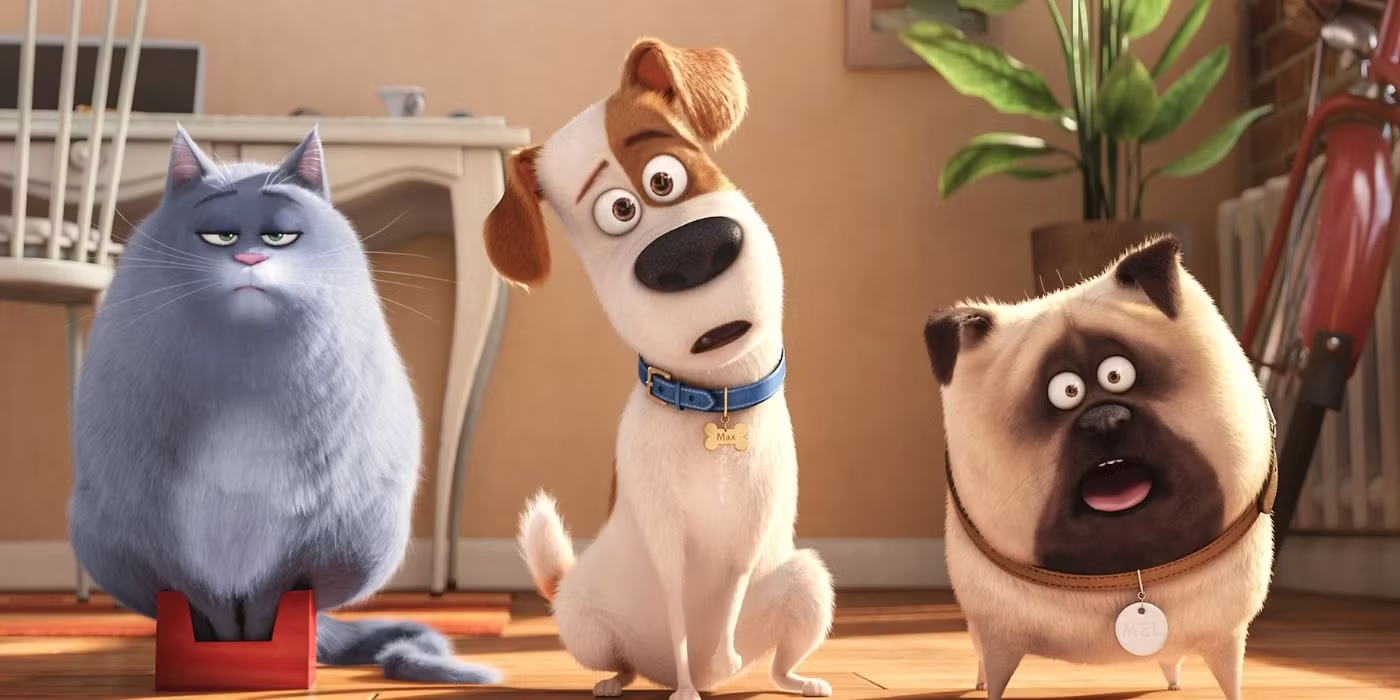
Cartoon pets have long held a special place in our hearts. They are not just companions on the screen but reflections of imagination, humor, and sometimes even lessons in life. From classic animated cats to futuristic robotic dogs, these characters offer a unique blend of entertainment and emotional connection.
The concept of cartoon pets dates back to the early days of animation. In the 1920s and 1930s, animated shorts began introducing animal companions who were more than just background characters. One of the earliest examples is Felix the Cat, whose mischievous antics captured audiences worldwide. Soon, the idea of giving animals human-like traits—talking, walking on two legs, or expressing emotions—became a staple in animated storytelling.
These characters were not only meant to entertain children but also to offer adults a sense of humor and sometimes subtle social commentary. Pets in cartoons could act out scenarios that humans could relate to, providing a unique lens through which audiences could view their own lives.
Types of Cartoon Pets
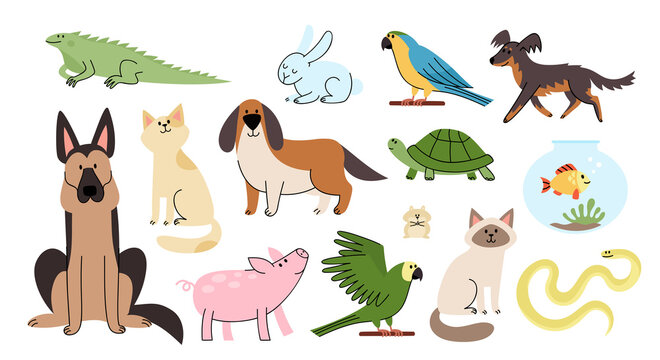
Cartoon pets come in various shapes, sizes, and personalities. Some are traditional animals, like dogs and cats, while others are entirely fictional or fantastical creatures. Here are some common types:
1. Dogs
Dogs are perhaps the most popular cartoon pets. They are loyal, loving, and often incredibly funny. Characters like Snoopy from Peanuts and Scooby-Doo have become cultural icons. Their personalities often mirror those of real dogs, with exaggerated traits that make them unforgettable. Dogs in cartoons often serve as companions, sidekicks, or even heroes, reflecting their real-life role as humans’ best friends.
2. Cats
Cats in cartoons are often portrayed as clever, independent, and sometimes mischievous. Classic characters like Tom from Tom and Jerry showcase the comedic potential of cats. Their cunning antics, rivalry with other pets, or playful nature make them appealing to audiences of all ages. Cartoon cats often highlight themes of patience, intelligence, and curiosity.
3. Birds
Birds in cartoons are typically colorful, talkative, and full of energy. Characters like Tweety Bird demonstrate that even small creatures can have a big personality. Birds are often used for comic relief, but they can also symbolize freedom and creativity. Their ability to fly allows animators to explore dynamic scenes and imaginative storytelling.
4. Exotic and Mythical Pets
Cartoon creators also venture into the realm of fantasy, introducing pets that don’t exist in reality. Dragons, talking rabbits, or magical creatures provide limitless possibilities for storytelling. These pets often serve as symbols of imagination, adventure, and wonder. They allow audiences to escape into worlds where anything is possible, reinforcing the idea that animation is a playground for creativity.
The Role of Cartoon Pets in Storytelling
Cartoon pets are not just decorative characters; they play a crucial role in storytelling. They often embody emotions or traits that human characters cannot fully express. A silent dog may convey loyalty and devotion, while a sarcastic cat can highlight irony and wit.
Moreover, pets in cartoons often act as companions, helping protagonists navigate challenges or providing moral support. They can also drive plots forward, causing chaos, solving mysteries, or teaching lessons. Their actions often reflect universal themes such as friendship, courage, and perseverance, making them relatable to audiences of all ages.
The Emotional Connection
One of the reasons cartoon pets are so beloved is the emotional connection they create. Viewers often project feelings onto these characters, seeing them as more than just drawings. The exaggerated expressions, human-like behaviors, and unique personalities allow audiences to empathize with them.
Children, in particular, find comfort in cartoon pets. They represent safety, companionship, and unconditional love. Even adults can relate to the humor, loyalty, or quirks of these animated animals. The bond created is sometimes so strong that these characters remain iconic for generations, influencing childhood memories and popular culture.
Cartoon Pets and Humor
Humor is a key element in many cartoon pets’ appeal. Their exaggerated actions, silly expressions, and playful antics often create laughter and entertainment. Physical comedy, clever dialogue, and unexpected scenarios make these pets memorable.
For example, characters like Jerry from Tom and Jerry show that pets can be both clever and mischievous, creating endless comedic situations. The humor of cartoon pets is universal, transcending language and cultural barriers, making them accessible to audiences worldwide.
Lessons Learned from Cartoon Pets
Beyond entertainment, cartoon pets often convey life lessons. Their stories can teach responsibility, empathy, and problem-solving. Watching a character care for a pet or navigate challenges alongside them can subtly reinforce positive values.
Additionally, cartoon pets often highlight the importance of friendship and teamwork. Whether they are helping their human friends or teaming up with other animals, they show that collaboration and understanding can overcome obstacles. These lessons, wrapped in humor and adventure, resonate with audiences in a memorable and enjoyable way.
Iconic Cartoon Pets Throughout History
Over the years, countless cartoon pets have left a lasting impact on pop culture. Some iconic examples include:
- Snoopy – The imaginative beagle from Peanuts who dreams of flying and goes on whimsical adventures.
- Garfield – The lazy, sarcastic cat whose love for lasagna and disdain for Mondays resonates with many.
- Scooby-Doo – The mystery-solving dog who brings humor, bravery, and teamwork to every adventure.
- Tom and Jerry – The classic cat-and-mouse duo whose endless chase delivers timeless comedy.
- Pikachu – While technically a fictional creature, this Pokémon has captured hearts worldwide as an adorable and loyal companion.
Each of these characters has contributed to the legacy of cartoon pets, shaping how audiences perceive and cherish them.
The Evolution of Cartoon Pets
As animation techniques have evolved, so have cartoon pets. Modern animations incorporate sophisticated graphics, realistic movements, and deeper storylines. Pets are now given more complex personalities, emotional depth, and interactive roles within stories.
Digital media and streaming platforms have also allowed for global exposure, introducing audiences to pets from diverse cultures and backgrounds. This evolution ensures that cartoon pets continue to be relevant, engaging, and beloved across generations.
Why We Love Cartoon Pets
Ultimately, the love for cartoon pets stems from their ability to connect with us emotionally. They are funny, loyal, and sometimes mischievous. They teach lessons, provide comfort, and entertain us endlessly. Their charm lies in their simplicity and relatability—they remind us of the joy and unconditional love that real pets bring to our lives.
Cartoon pets are more than just animated characters; they are companions in imagination. They invite us to laugh, dream, and sometimes even reflect on our own lives. Whether they are chasing mice, solving mysteries, or embarking on magical adventures, cartoon pets hold a timeless appeal that continues to enchant audiences worldwide.
