

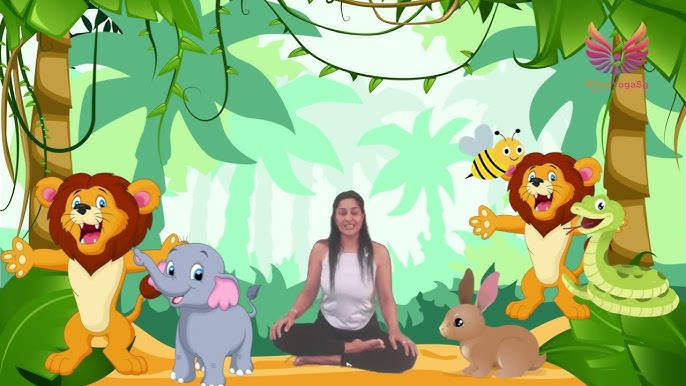
In the world of storytelling, animated animals hold a special place. From classic cartoons to modern animated films, they captivate audiences with their charm, humor, and unique personalities. Unlike human characters, animated animals can embody traits, emotions, and experiences in exaggerated or imaginative ways, making them incredibly versatile tools for creators.
The use of animals in animation dates back to the early 20th century. Characters like Mickey Mouse and Felix the Cat set the stage for the role of animals in entertainment. These early animations used simple movements and expressions, yet audiences connected deeply with them because of their anthropomorphized traits—human-like emotions and intelligence displayed in an animal form.
Cartoonists discovered that animals could be exaggerated in ways humans could not. A rabbit could move faster than any human, a cat could perform impossible stunts, and a dog could communicate without ever speaking a word. This freedom made animals ideal for creative storytelling.
Why Animated Animals Resonate with Audiences
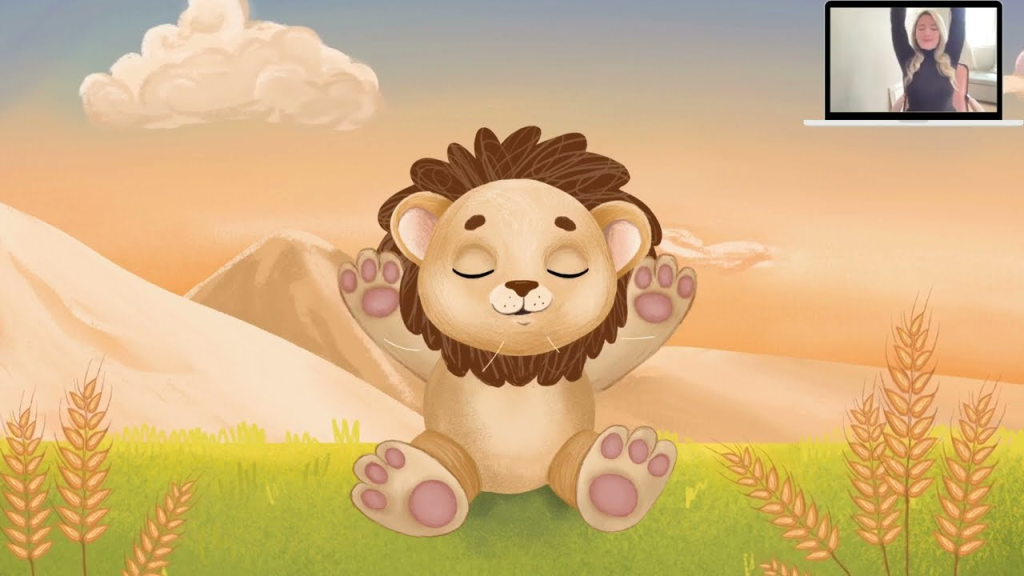
There are several reasons why audiences are drawn to animated animals:
- Relatability: Even though they are not human, animated animals often reflect human behaviors, emotions, and struggles. This makes them relatable to viewers of all ages. For instance, a lonely wolf struggling to find its pack mirrors human experiences of friendship and belonging.
- Humor and Exaggeration: Animals can be animated in ways humans cannot. They can stretch, squish, or perform physical comedy that would be impossible for a human actor. This exaggeration heightens humor and makes stories more engaging.
- Imaginative Freedom: Animation allows creators to break the rules of reality. A fish can walk, a rabbit can talk, and a tiger can dance. This imaginative freedom expands the possibilities for storytelling.
- Emotional Connection: Viewers often develop strong emotional connections with animated animals. They can symbolize innocence, loyalty, or courage, triggering empathy and compassion.
Different Types of Animated Animals
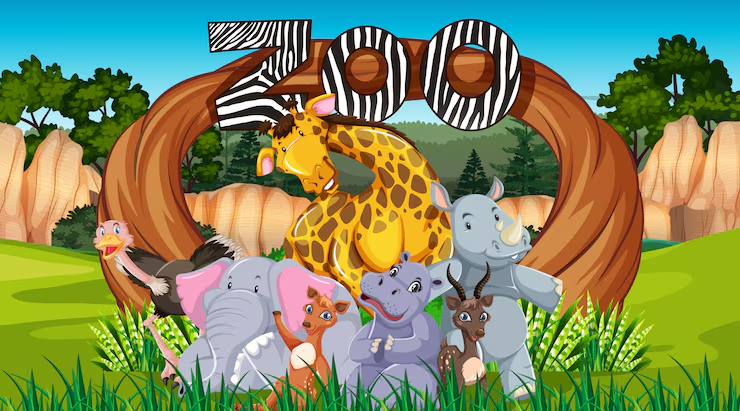
Animated animals come in various forms, each serving a distinct purpose in storytelling:
1. Anthropomorphic Animals
These are animals that exhibit human traits. They walk on two legs, talk, wear clothes, and sometimes even have jobs or complex social lives. Characters like Bugs Bunny and Disney’s Robin Hood are classic examples. Anthropomorphic animals are often used in stories aimed at children, but their clever writing and humor appeal to adults as well.
2. Realistic Animated Animals
Some animated animals are designed to closely resemble their real-world counterparts. These animals may not speak or display human behaviors but are animated with stunning detail to showcase their natural movements and habitats. Films like The Lion King (2019) used advanced CGI to create lifelike lions, hyenas, and elephants, captivating audiences with realism while maintaining emotional depth.
3. Fantasy or Mythical Animals
Animation provides the perfect platform for creating entirely new creatures. Dragons, talking wolves, and magical foxes populate countless animated stories. These animals often carry symbolic meaning or serve as guides for human protagonists. They allow audiences to explore imaginative worlds that blend reality with fantasy.
4. Sidekicks and Comic Relief
Many animated animals are used as sidekicks or comic relief characters. Their primary purpose is to entertain and provide humor while supporting the main storyline. Characters like Donkey in Shrek or Timon and Pumbaa in The Lion King offer laughter and light-hearted moments, making the narrative more enjoyable.
The Evolution of Animated Animals in Film and TV
Over the decades, animated animals have evolved significantly. Early animations relied on hand-drawn techniques, giving characters simple, exaggerated expressions. With the advent of computer-generated imagery (CGI), the possibilities expanded tremendously. Today, animated animals can display nuanced expressions, realistic fur textures, and complex movements that were once impossible.
Technology has also influenced storytelling. In modern animated films, animals can convey subtle emotions through eye movements, body language, and small gestures. This allows creators to craft more emotionally engaging stories that resonate with both children and adults.
Cultural Significance of Animated Animals
Animated animals are not just entertainment; they often carry cultural or moral significance. In many stories, they serve as metaphors for human behavior, societal norms, or life lessons. For example, foxes are often portrayed as clever and cunning, while lions symbolize bravery and leadership. By using animals, storytellers can communicate complex ideas in a more accessible and engaging way.
In addition, animated animals often promote empathy toward real animals and nature. Movies depicting endangered species or environmental issues encourage audiences to care about wildlife conservation. This demonstrates the power of animation to inspire social awareness.
Popular Animated Animal Characters
Several animated animals have become iconic worldwide. Some of the most beloved include:
- Mickey Mouse: One of the earliest and most enduring animated animals, representing optimism and cheerfulness.
- Bambi: A deer that embodies innocence and the beauty of nature.
- Simba: A lion who grows from a carefree cub into a responsible leader, symbolizing courage and personal growth.
- Dumbo: An elephant who overcomes adversity, teaching lessons about self-acceptance and resilience.
- Stitch: An alien creature with animal-like traits, blending mischief with loyalty and love.
These characters demonstrate the versatility of animated animals in representing emotions, teaching lessons, and entertaining audiences.
Challenges in Animating Animals
While animated animals offer immense creative freedom, animating them comes with unique challenges. Artists must balance realism with exaggeration, ensuring that movements are believable while still conveying personality. Additionally, each animal’s anatomy, behavior, and natural movements must be studied to maintain authenticity, especially in realistic animations.
Another challenge is voice acting. Giving an animal a distinct voice that matches its personality can make or break the character. The voice must complement the animation and resonate with viewers emotionally.
The Future of Animated Animals
As technology advances, the future of animated animals is exciting. Artificial intelligence, virtual reality, and augmented reality are opening new avenues for storytelling. Audiences may soon interact with animated animals in immersive worlds, experiencing stories from unique perspectives. Moreover, the blending of realistic and stylized animation allows creators to craft characters that are visually stunning and emotionally compelling simultaneously.
The continued popularity of animated animals also reflects society’s enduring fascination with animals. Whether as heroes, companions, or comic relief, animated animals will remain central to entertainment for generations to come.
Conclusion
Animated animals are more than just characters on a screen—they are storytellers, educators, and cultural icons. They allow creators to explore emotions, humor, and imagination in ways that human characters alone cannot. From the early days of hand-drawn cartoons to modern CGI marvels, animated animals continue to capture hearts and spark imaginations worldwide. Their enduring appeal lies in their ability to reflect our own humanity while offering a glimpse into a world where animals can talk, dream, and teach us valuable life lessons.
