

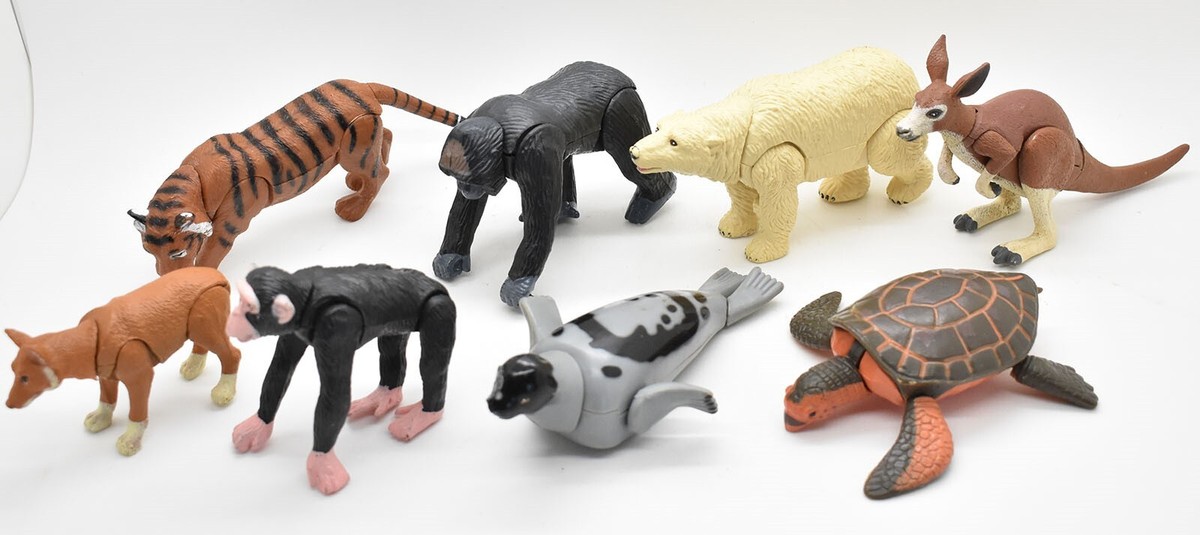
Action figures have been a beloved part of childhood for generations. These small, often highly detailed figurines are more than just toys; they are gateways to imagination, storytelling, and even nostalgia. From the classic superheroes to characters from popular movies, action figures hold a unique place in both playtime and adult collections.
The concept of action figures dates back to the mid-20th century. While dolls have been around for centuries, action figures were designed to appeal more to boys, featuring themes of adventure, heroism, and fantasy. One of the earliest examples is the G.I. Joe figure, introduced in 1964, which set the standard for poseable figures with a focus on military themes. Unlike traditional dolls, these figures were marketed as tools for action and storytelling, giving children a chance to enact adventures and battles.
Characteristics of Action Figures
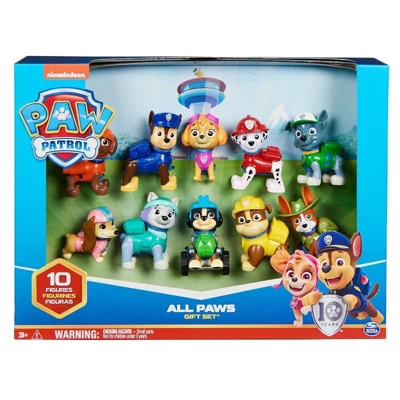
Action figures are distinguished by several key features:
- Articulation: Unlike static figurines, action figures often have joints that allow movement. This can include movable arms, legs, heads, and even fingers. The level of articulation varies depending on the brand and intended use, with some collectible figures offering dozens of points of movement.
- Detailed Design: From realistic facial expressions to intricately designed costumes, action figures are often crafted with attention to detail. This allows fans to feel a closer connection to the character they love, whether it’s a superhero, a movie star, or a fantasy warrior.
- Durability: Made primarily from plastic, action figures are designed to withstand play. High-quality figures use durable materials and sometimes even fabric costumes to enhance realism without sacrificing durability.
- Accessories: Many action figures come with accessories like weapons, vehicles, or miniature props. These elements enhance the play experience and allow collectors to recreate scenes from movies, comics, or television shows.
Types of Action Figures

Action figures come in a variety of types, each catering to different interests and ages:
1. Superhero Figures
Superheroes dominate the action figure market. Characters from comic books like Spider-Man, Batman, and Wonder Woman have been immortalized in plastic and articulated for decades. These figures allow fans to bring their favorite heroes to life in miniature form, reenacting epic battles or creating original adventures.
2. Movie and TV Figures
The popularity of action figures skyrocketed with the rise of film franchises. Figures based on movies like Star Wars, Marvel Cinematic Universe, and Transformers quickly became collector’s items. Fans enjoy collecting figures from iconic scenes, complete with accessories and detailed costumes that replicate the on-screen appearance.
3. Anime and Manga Figures
Action figures inspired by Japanese anime and manga are known for their detailed designs and dynamic poses. Series like Dragon Ball, Naruto, and One Piece have inspired a global fan base, with collectors often seeking highly articulated and accurately painted figures.
4. Video Game Figures
As video games grew in popularity, so did action figures representing game characters. Figures from franchises like Pokémon, Fortnite, and Halo offer gamers a way to connect with their favorite characters outside the digital world.
5. Historical and Military Figures
Some action figures are modeled after real-life historical figures or military personnel. These figures often come with realistic uniforms, weapons, and accessories, making them popular among hobbyists and history enthusiasts.
Collecting Action Figures
While many people buy action figures for play, collecting has become a serious hobby for adults. Collectors value figures for their rarity, condition, and detail. Limited editions or figures with special features can become highly sought-after items, sometimes fetching impressive prices in secondary markets.
Tips for Collectors:
- Keep figures in original packaging: Many collectors maintain figures in their original boxes to preserve value.
- Pay attention to rarity: Limited edition or discontinued figures often become the most valuable.
- Display properly: Shelves, cases, and stands can help protect figures from dust and damage.
- Research the market: Understanding trends and popular series can guide collectors to make informed purchases.
The Impact of Action Figures on Pop Culture
Action figures are not just toys; they are cultural icons. They reflect popular trends, media franchises, and fan communities. Through conventions, online communities, and social media, fans share their collections, participate in swaps, and celebrate their favorite characters. The influence of action figures extends to movies, comics, and merchandise, often boosting the popularity of the characters they represent.
Educational and Developmental Benefits
Surprisingly, action figures can also have educational value. They encourage imaginative play, storytelling, and creativity. Children develop problem-solving skills by creating scenarios and resolving conflicts between characters. Social skills are also enhanced when children engage in group play, negotiating roles and collaborating on adventures. For older collectors, organizing and curating a collection can teach skills in research, budgeting, and display design.
Modern Innovations in Action Figures
Modern technology has brought innovations to action figures. Some features include:
- Digital integration: Figures with QR codes or apps that interact with games or augmented reality experiences.
- Customizable parts: Swappable faces, outfits, and accessories allow for personalization.
- High-quality materials: Advanced plastics and 3D printing techniques produce more detailed and durable figures.
These innovations keep action figures relevant in an era dominated by video games and digital entertainment, merging traditional play with modern technology.
The Future of Action Figures
As long as storytelling and imagination remain central to culture, action figures will continue to thrive. With the rise of collector communities and the enduring appeal of beloved characters, the market for action figures is expected to grow. Companies are increasingly producing figures that appeal to both children and adult collectors, ensuring that these miniature heroes remain an enduring part of play and pop culture.
In conclusion, action figures are far more than just toys. They are tools for creativity, objects of nostalgia, and valuable collectibles. From their origins as simple plastic soldiers to today’s intricately detailed superheroes, they continue to inspire imagination across generations. Whether you are a child reenacting epic battles or an adult meticulously curating a collection, action figures offer a tangible connection to the worlds we love, bringing stories to life in our own hands.
