

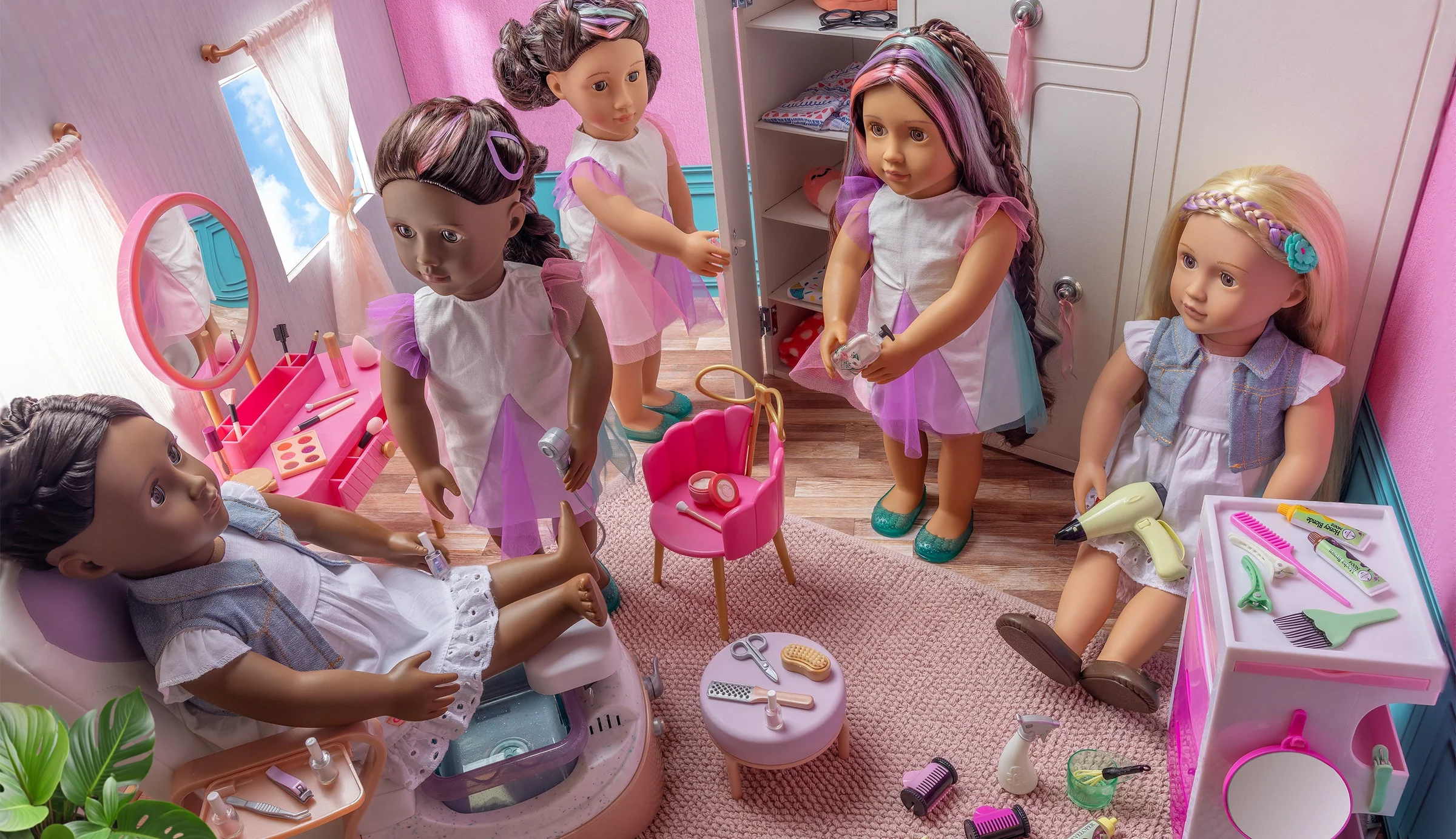
Dolls & Accessories have been an essential part of childhood play and cultural expression for centuries. From traditional handmade dolls to modern fashion dolls with detailed accessories, these toys continue to inspire creativity, storytelling, and emotional development. Today, dolls are not only playthings for children but also collectibles for adults, educational tools, and symbols of cultural identity. This article explores the world of dolls and accessories, their types, benefits, trends, and why they remain timeless.
Dolls have existed since ancient civilizations. Archaeologists have discovered dolls made from clay, wood, stone, and cloth in ancient Egypt, Greece, and Rome. These early dolls were often simple in design but sometimes included miniature accessories such as clothing or household items. Over time, dolls evolved alongside society, reflecting fashion trends, social roles, and cultural values.
In the modern era, mass production allowed dolls & accessories to become widely available. Accessories such as doll houses, furniture, clothing, shoes, pets, and vehicles added new dimensions to play, allowing children to create complete imaginary worlds.
Types of Dolls
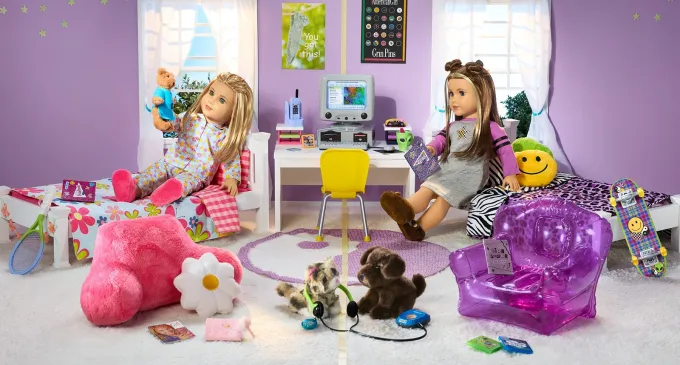
There are many types of dolls available today, each serving different purposes and age groups.
Fashion Dolls
Fashion dolls are among the most popular categories. These dolls usually come with stylish outfits and interchangeable accessories. Children enjoy changing clothes, styling hair, and creating stories around fashion and social life.
Baby Dolls
Baby dolls are designed to look and feel like real infants. They often come with accessories such as bottles, diapers, cribs, and strollers. These dolls help children develop nurturing and caregiving skills.
Character Dolls
Character dolls are based on popular movies, cartoons, books, or television shows. Accessories often match the character’s theme, including costumes, tools, or fantasy items, making play more engaging.
Cultural and Traditional Dolls
These dolls represent different cultures, countries, and traditions. Accessories often include traditional clothing, jewelry, and cultural items, helping children learn about diversity and global heritage.
Collectible Dolls
Collectible dolls are designed mainly for display rather than play. They are often made with high-quality materials and detailed accessories. Adult collectors value them for craftsmanship, rarity, and emotional significance.
Importance of Doll Accessories
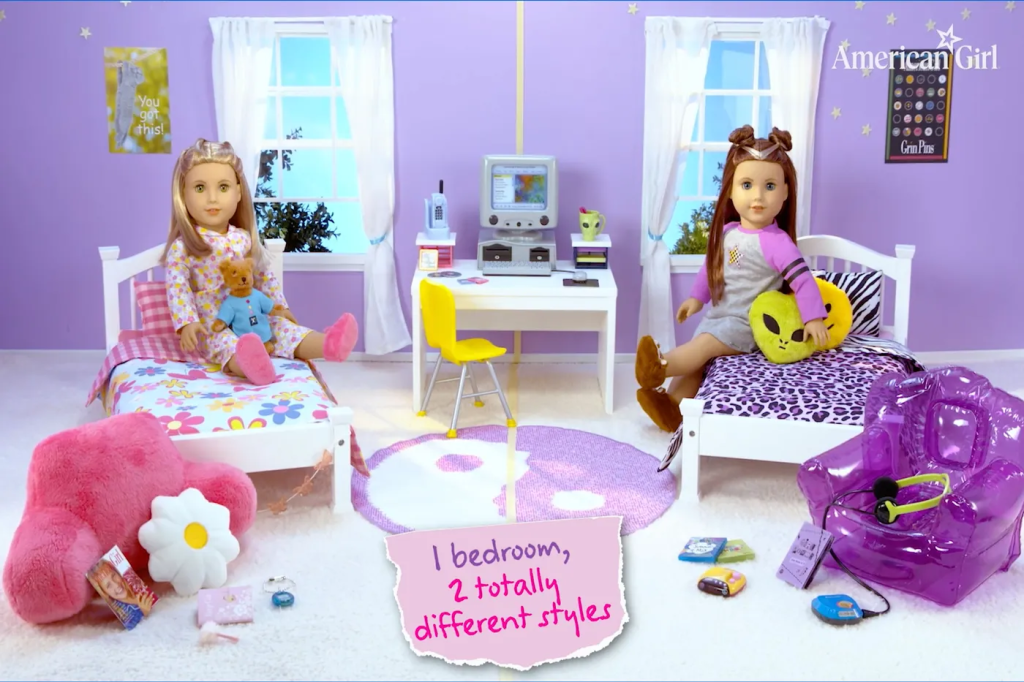
Doll accessories are just as important as the dolls themselves. Accessories expand play possibilities and allow children to use imagination freely.
Enhancing Creativity
With accessories like furniture, clothing, kitchens, and vehicles, children can create endless scenarios. A simple doll can become a teacher, doctor, parent, or adventurer depending on the accessories used.
Supporting Role Play
Role-playing is a vital part of child development. Doll & accessories sets encourage storytelling, communication, and problem-solving skills. Children act out real-life situations, helping them understand emotions and relationships.
Improving Motor Skills
Small accessories such as shoes, buttons, bags, and tools help improve fine motor skills. Dressing dolls or arranging furniture requires hand-eye coordination and patience.
Educational Benefits of Dolls & Accessories
Dolls are not just toys; they are educational tools.
Emotional Development
Playing with dolls allows children to express feelings they may not yet be able to explain with words. They learn empathy, responsibility, and social behavior through pretend play.
Language Skills
When children talk to their dolls or create conversations between characters, they practice vocabulary, sentence structure, and storytelling.
Social Awareness
Dolls representing different professions, abilities, and cultures help children develop respect and understanding for others. Accessories related to daily life teach practical concepts such as cooking, cleaning, and organizing.
Popular Doll Accessories
Doll accessories come in countless varieties, catering to different themes and interests.
- Doll houses and playsets
- Furniture such as beds, sofas, and tables
- Clothing sets for different occasions
- Shoes, bags, and jewelry
- Pets and animal figures
- Vehicles like cars and bikes
- Kitchen and food accessories
- School and office items
These accessories allow children to customize their dolls’ lives and environments, making playtime more immersive.
Trends in Dolls & Accessories
The doll industry continues to evolve with changing consumer preferences.
Inclusivity and Diversity
Modern dolls now represent different skin tones, body types, abilities, and backgrounds. Accessories also reflect inclusive lifestyles, making play more realistic and meaningful.
Eco-Friendly Materials
There is a growing demand for dolls & accessories made from sustainable and non-toxic materials. Parents are increasingly conscious of safety and environmental impact.
Customization
Custom dolls and accessories allow children and collectors to personalize appearances, outfits, and themes. This trend encourages individuality and creativity.
Technology Integration
Some dolls now include interactive features such as voice responses or smart accessories. While traditional play remains important, technology adds a modern touch to the doll experience.
Dolls & Accessories for Collectors
For adults, dolls can be valuable collectibles. Limited editions, vintage dolls, and handcrafted accessories often increase in value over time. Collectors focus on condition, originality, and completeness of accessories. Display cases, careful storage, and proper maintenance help preserve their worth.
Collecting dolls can also be emotionally rewarding, connecting people to childhood memories or artistic appreciation.
Choosing the Right Dolls & Accessories
When selecting dolls and accessories, consider the following factors:
- Age appropriateness
- Safety and material quality
- Interests of the child or collector
- Educational value
- Durability and design
Choosing the right combination ensures both enjoyment and long-term value.
Conclusion
Dolls & Accessories have stood the test of time because they offer far more than entertainment. They inspire imagination, support emotional and social development, and provide educational benefits for children. For collectors, they represent art, history, and nostalgia. With endless varieties, themes, and accessories available, dolls continue to evolve while maintaining their timeless charm.
Whether for play, learning, or collecting, dolls & accessories remain an important and meaningful part of human culture, bringing joy to generations across the world.
